Divergent Pregnancy and Uterine Anomaly: Failure of Standard Maternity Care

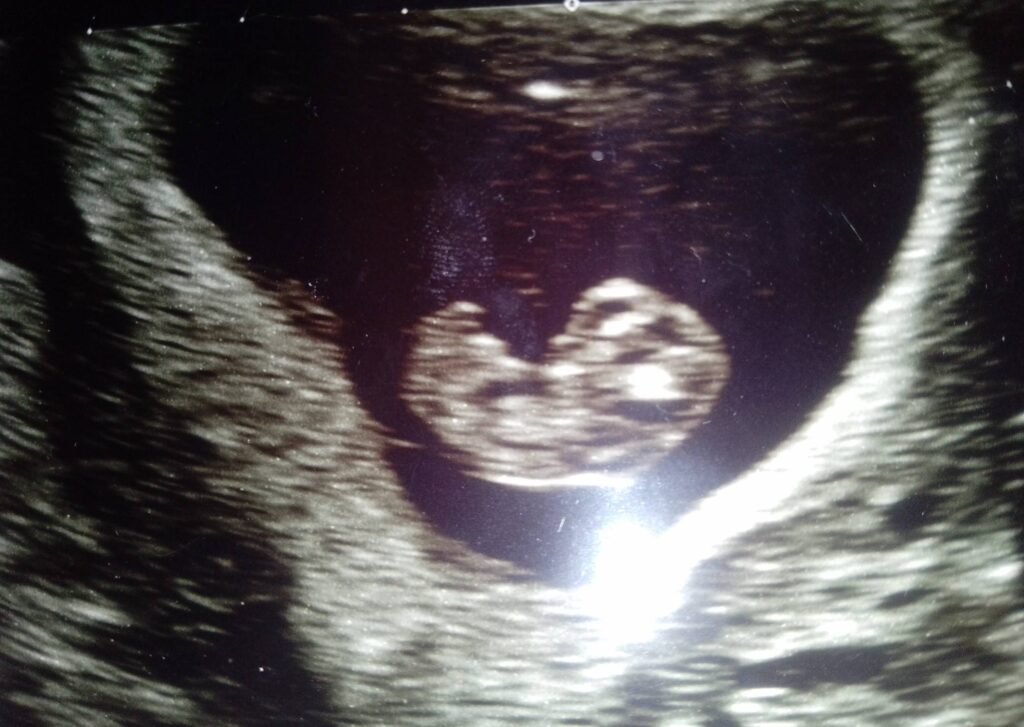
© Alexandra Chambers | Neurotopia CIC | January 2026 During my first pregnancy, the foetus remained in breech position throughout. As I approached term, NHS clinicians became increasingly insistent on scheduling an external cephalic version (ECV) – a manual procedure to turn the baby into a head-down position. I declined because I had a deep, […]

Divergent Pregnancy and Uterine Anomaly: Failure of Standard Maternity Care Read More »

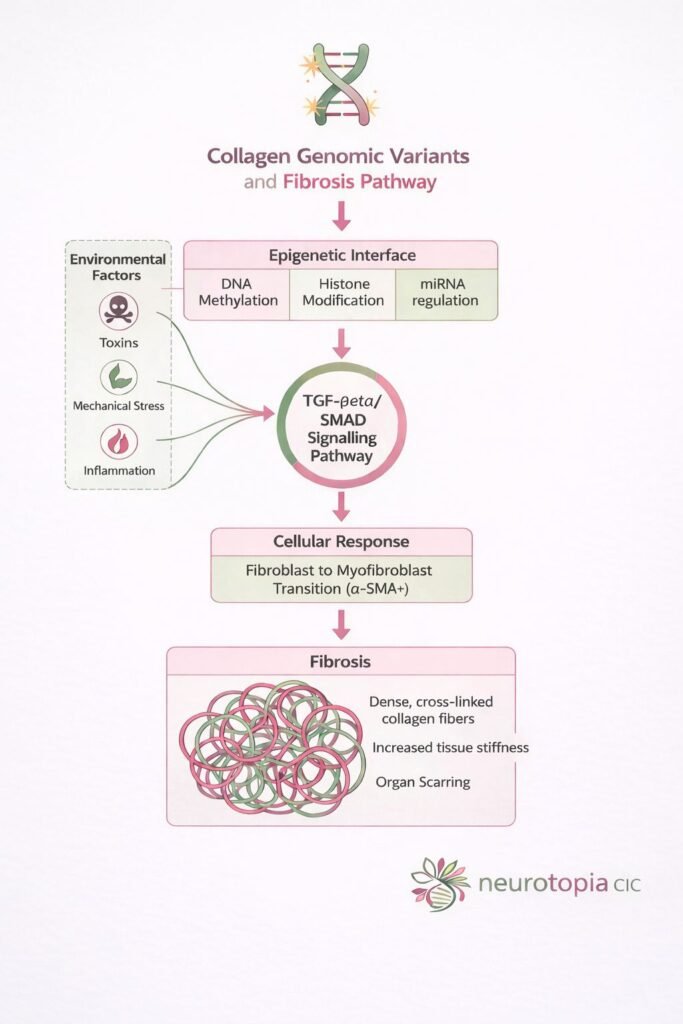
What is the SMAD Signalling Pathway – and why is it Important for Divergent Bodies?

© Alexandra Chambers | Neurotopia CIC | January 2026 In connective tissue divergence, immune sensitivity, or genomically divergent bodies, fibrosis is one of the most damaging long-term outcomes. Here I will explain what actually drives that scarring process deep in the tissues. At the heart of the fibrosis response is a powerful molecular communication route

What is the SMAD Signalling Pathway – and why is it Important for Divergent Bodies? Read More »

My Perspective on the now, Solutions and Change

© Alexandra Chambers | Neurotopia CIC | January 2026 For systems and for the people inside them, real change starts with recognising reality in its entirety. That is a timely and uncomfortable process; it asks people to sit with things that don’t have immediate answers. To see the scale of what’s wrong, without rushing to

My Perspective on the now, Solutions and Change Read More »

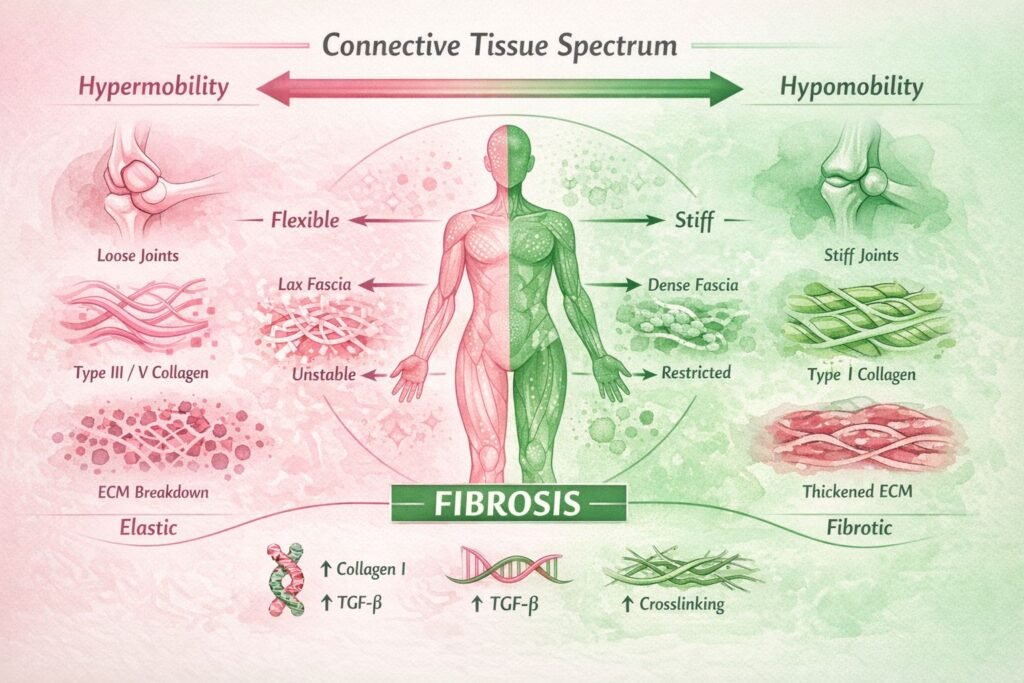
The Spectrum of Mobility: Can a Person be Both Hypermobile and Hypomobile?

© Alexandra Chambers | Neurotopia CIC | January 2026 While mainstream narratives often frame connective tissue profiles in binary terms – either hypermobile or (rarely) hypomobile – the lived reality is often far more complex. In truth, it is biologically and mechanistically possible for different parts of the same body to express divergent mobility traits.

The Spectrum of Mobility: Can a Person be Both Hypermobile and Hypomobile? Read More »

Rewriting the Rules: Visual Directionality, Divergent Brains, and the Hidden Architecture of Reading

© Alexandra Chambers | Neurotopia CIC | January 2026 Most modern reading systems are designed around a narrow set of neuro-visual and anatomical assumptions. They presume a brain that is left-hemisphere dominant for language, a visual system that comfortably tracks from left to right, and a body whose fine motor control aligns with right-handed writing.

Rewriting the Rules: Visual Directionality, Divergent Brains, and the Hidden Architecture of Reading Read More »

My Perspective on Neurodivergence: Inherited and Acquired, Biological and Political

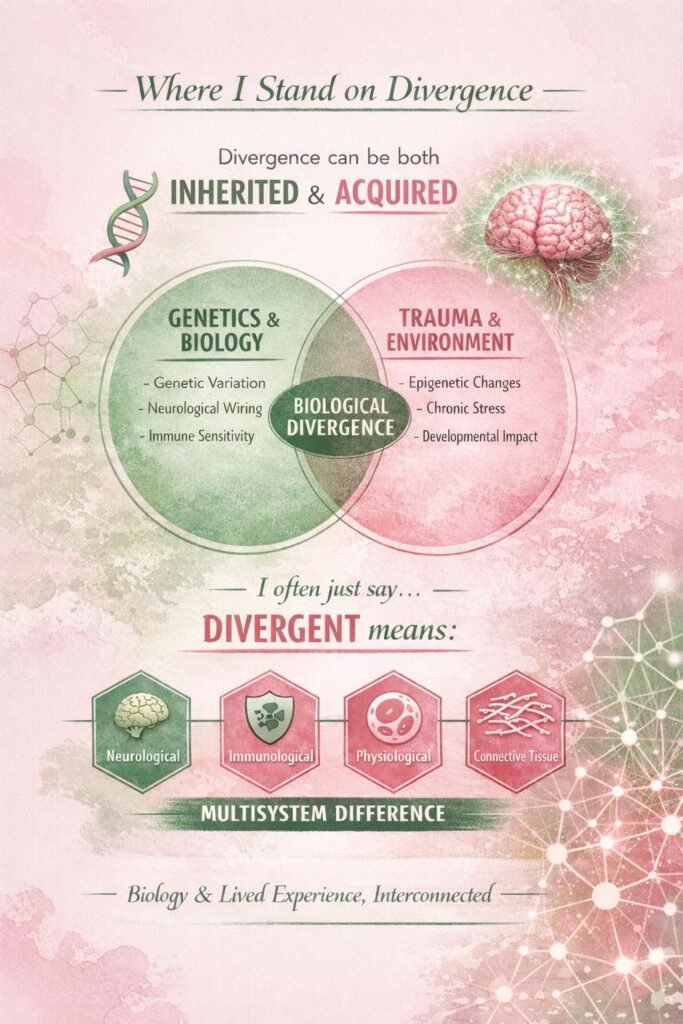
© Alexandra Chambers | Neurotopia CIC | January 2026 I want to take a moment to be clear about where I stand when it comes to neurodivergence – especially in relation to inherited vs acquired forms, and how I understand their biological and social dimensions. Neurodivergence is Real – Even When it’s not Diagnosed The

My Perspective on Neurodivergence: Inherited and Acquired, Biological and Political Read More »

Endometriosis: not the Cause, but the Expression

© Alexandra Chambers | Neurotopia CIC | January 2026 Mainstream science has just “discovered” what many of us have known for years: that endometriosis is connected to more than the reproductive system. New research from Penn State finds that people with endometriosis have blunted blood pressure responses to physical stress – contradicting their initial hypothesis

Endometriosis: not the Cause, but the Expression Read More »

Dyslexia and Hyperlexia: A Spectrum of Expression

© Alexandra Chambers | Neurotopia CIC | January 2026 Most people think of hyperlexia and dyslexia as unrelated – one linked to precocious reading, the other to reading difficulty. However, what if they’re actually two ends of the same spectrum? Not disorders, but neurodivergent communication styles – shaped by the brain’s orientation toward language, meaning,

Dyslexia and Hyperlexia: A Spectrum of Expression Read More »

Another Piece of a Self-Made Jigsaw

© Alexandra Chambers | Neurotopia CIC | December 2025 The recent study from Yale (linked at the bottom of the post) claiming that autistic adults have reduced mGlu5 receptor availability may feel like a breakthrough to some. However, it’s another fragment in a long trail of fragmented science. For decades, autistic people have been used

Another Piece of a Self-Made Jigsaw Read More »

Strengthening the Blood-Brain Barrier & Connective Tissue in Divergent Bodies

© Alexandra Chambers | Neurotopia CIC | December 2025 Disclaimer: Every individual’s biology is unique. Genetic variation, methylation status, nutrient processing, and environmental factors all influence what supports or disrupts internal systems. What strengthens one person’s blood–brain barrier may overwhelm another’s. This article is written from a divergent genomics perspective, with emphasis on terrains that

Strengthening the Blood-Brain Barrier & Connective Tissue in Divergent Bodies Read More »